







Flexible Packaging Material Selection Guid
Time:2026-07-15 19:50:18 Author:haokaipackagingbag Click:175
Flexible packaging materials have transformed product protection and presentation across virtually every industry sector. The combination of material efficiency, design flexibility, and performance optimization makes flexible formats increasingly preferred over rigid alternatives. This comprehensive guide examines material options, construction principles, and specification approaches helping buyers navigate complex selection decisions.
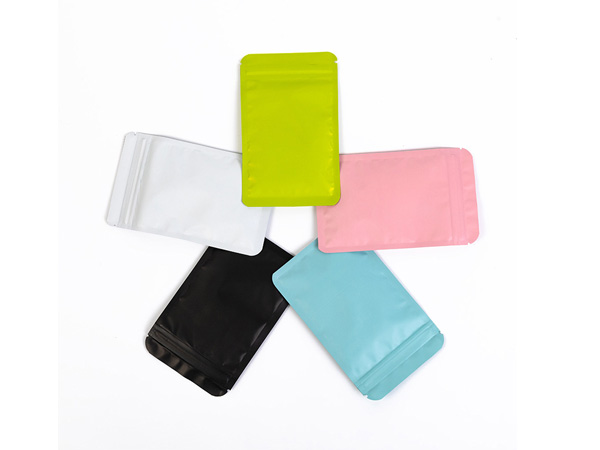
Film Substrate Categories
Polyethylene films dominate flexible packaging due to excellent sealing properties and cost-effectiveness. Polypropylene offers higher temperature resistance and superior stiffness for specific applications. Polyester provides excellent dimensional stability and print surface quality. Nylon contributes puncture resistance essential for demanding applications. Foil creates virtually complete barrier against gases, moisture, and light. Paper substrates offer natural aesthetics and renewable sourcing. Each substrate brings specific properties to packaging constructions. Material selection begins with identifying required performance characteristics.
Barrier Performance Levels
Barrier requirements vary dramatically across product categories and shelf life expectations. High barrier constructions protect oxygen and moisture-sensitive products for extended periods. Moderate barrier suffices for products with shorter shelf life or lower sensitivity. Basic barrier meets needs for robust products requiring minimal protection. Oxygen transmission rate quantifies oxygen barrier performance under standard conditions. Water vapor transmission rate measures moisture protection. Light barrier protects photosensitive ingredients. Aroma barrier preserves volatile compounds. Barrier specification should match actual product requirements avoiding over-specification waste.
Lamination Versus Coextrusion
Laminated constructions bond multiple films using adhesives creating performance combinations impossible with single materials. Coextrusion produces multi-layer films through simultaneous extrusion of different materials. Lamination enables material combinations including aluminum foil and paper that coextrusion cannot achieve. Coextrusion typically produces thinner constructions at lower cost. Process selection depends on required material combinations and performance parameters. Both processes produce commercial-quality packaging meeting industry requirements. Understanding process capabilities informs specification discussions with suppliers.
Sealing and Closure Options
Heat sealing remains the dominant closure method for flexible packaging. Sealant layers enable hermetic closure under controlled temperature and pressure. Peelable seals allow consumer opening without tools. Weld seals create permanent closure for single-use products. Reclose features including zippers add functionality extending package usefulness. Spout configurations enable controlled dispensing for liquid products. Easy-open features address consumer convenience expectations. Seal specification must consider product contents, distribution conditions, and consumer requirements.
Printing and Decoration
Rotogravure printing delivers superior quality for high-volume production runs. Flexographic printing offers versatility and cost-effectiveness for moderate volumes. Digital printing enables short runs and versioning without tooling investment. Surface printing provides excellent gloss and protection. Reverse printing protects graphics within film layers. Color management ensures brand consistency across production runs. Special finishes including matte, gloss, and metallic effects enhance shelf presence. Print quality directly impacts brand perception at retail.
Sustainability Material Trends
Sustainability pressures drive material innovation across flexible packaging categories. Mono-material constructions simplify recycling compared to multi-layer laminates. Post-consumer recycled content demonstrates circular economy participation. Bio-based materials offer renewable alternatives to petroleum-derived films. Compostable options serve specific market segments demanding these features. Light weighting reduces material consumption while maintaining performance. Design for recyclability considers end-of-life processing requirements. Life cycle assessment provides comprehensive environmental impact evaluation. Sustainability specification increasingly influences material selection decisions.
Food Contact Compliance
Materials contacting food products require documented compliance with applicable regulations. FDA requirements in the United States specify allowable materials and migration limits. EU Framework Regulation 1935/2004 establishes similar requirements with member state enforcement. Specific migration testing demonstrates compliance under intended use conditions. Overall migration testing measures total substance transfer. Documentation must support food contact claims throughout supply chain. Food manufacturers should verify supplier certifications match application requirements. Regulatory requirements vary by product category and geographic market.
Cost Optimization Approaches
Material specification optimization balances performance requirements against cost considerations. Value engineering identifies specification elements exceeding actual needs. Material substitution testing evaluates alternative constructions. Standardization across products improves production efficiency. Volume consolidation enhances supplier negotiating position. Total cost analysis includes material, conversion, filling, and distribution factors. Specification investment prevents costly quality failures. Supplier collaboration identifies improvement opportunities throughout supply chain.
Supplier Partnership Development
Flexible packaging supplier capability varies significantly across the industry. Technical expertise supports specification development and problem resolution. Quality systems ensure consistency across production runs. Production capacity must align with volume requirements including growth projections. Geographic location affects lead times and freight costs. Customer service responsiveness impacts problem resolution timing. Financial stability ensures supply continuity for ongoing relationships. Long-term partnerships yield advantages beyond transactional pricing focus. Supplier evaluation should address comprehensive capability requirements.
Quality Specification Framework
Material specifications should clearly communicate requirements to suppliers. Physical properties include thickness, tensile strength, and elongation. Optical properties cover clarity, haze, and gloss. Barrier properties specify oxygen and moisture transmission rates. Sealing properties define temperature and pressure parameters. Dimensional tolerances ensure fit with converting equipment. Testing methods standardize evaluation procedures. Acceptance criteria establish quality boundaries. Comprehensive specifications prevent misunderstandings and quality disputes.
References
Flexible Packaging Association. (2024). Material Selection Technical Guide. FPA Publications.
Society of Plastics Engineers. (2023). Flexible Packaging Materials Handbook. SPE Press.
Packaging Technology International. (2024). Laminate Construction Principles. PTI Technical Series.


