







Plastic Packaging Bags Manufacturing Process
Time:2026-06-27 09:47:51 Author:haokaipackagingbag Click:180
The plastic packaging industry has evolved dramatically over the past three decades, transforming from simple films into sophisticated barrier solutions that protect products across countless sectors. Manufacturers around the world now operate advanced facilities capable of producing millions of bags annually while maintaining strict quality standards that meet international certifications. Understanding how these facilities operate helps businesses make informed sourcing decisions when selecting packaging suppliers.
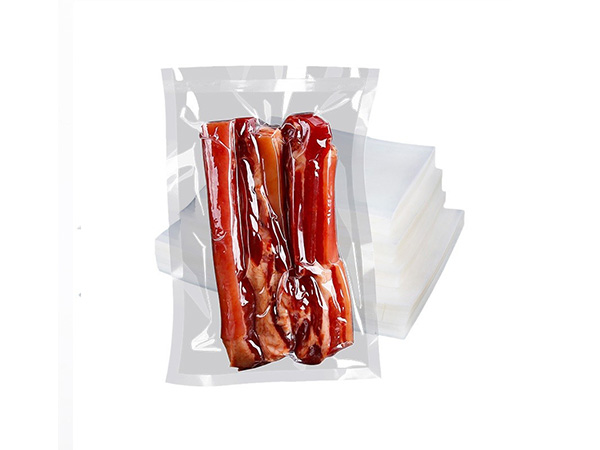
Raw Material Selection and Preparation
Quality plastic packaging bags begin with careful material selection. Manufacturers typically work with polyethylene (PE), polypropylene (PP), and multilayer co-extruded films depending on the application requirements. Food-grade applications require materials that meet FDA and EU regulations, while industrial uses may prioritize strength and chemical resistance over purity considerations. Reputable factoryoperations maintain detailed traceability records for all raw materials, ensuring consistency across production batches. Many suppliers now offer recycled content options as sustainability becomes increasingly important to brand owners and consumers alike.
Film Extrusion and Formation
The manufacturing process starts with film extrusion, where plastic pellets are melted and formed into continuous sheets of material. Modern extrusion lines operate at speeds exceeding 300 meters per minute, producing films ranging from 15 microns to over 200 microns in thickness. Blown film extrusion remains the most common method, creating tubes of film that are subsequently cut and sealed into bag configurations. Advanced facilities utilize automated thickness monitoring systems that adjust parameters in real-time, ensuring uniform coverage across the entire roll width. This precision directly impacts the barrier properties and structural integrity of finished bags.
Printing and Graphics Application
Rotogravure and flexographic printing represent the primary methods for applying graphics to plastic packaging films. Rotogravure offers superior color density and registration accuracy for high-volume runs, while flexography provides better versatility for shorter production orders. Water-based inks have largely replaced solvent-based alternatives as environmental regulations tightened, though this transition required significant investment in drying systems and process controls. Leading manufacturers employ color management systems that ensure accurate reproduction of brand colors across multiple production runs, critical for maintaining brand consistency for consumer goods companies.
Bag Conversion and Finishing
Converting flat film into functional bags involves several mechanical operations including cutting, sealing, and folding. Ultrasonic sealing technology has gained popularity for certain applications due to its ability to create hermetic seals without generate excessive heat that could damage敏感 films. Zippers, spouts, and Handles are added during this phase using specialized attachment equipment. Quality control systems now incorporate machine vision technology that inspects every bag for defects, automatically rejecting non-conforming units before they reach packaging operations. This zero-defect philosophy has become standard among serious packaging suppliers aiming to serve major retail and food service customers.
Sourcing From Reliable Manufacturers
Businesses seeking plastic packaging bags should evaluate potential suppliers based on several critical criteria. Production capacity matters for businesses expecting growth, while quality certifications demonstrate commitment to industry standards. Lead times vary significantly between regions, with Asian manufacturers often offering competitive pricing but longer shipping timelines. Building strong relationships with suppliers typically involves site visits and ongoing communication about quality performance. Many companies now maintain dedicated quality assurance personnel who regularly audit their packaging suppliers to ensure consistent performance.
Future Trends in Plastic Packaging
The packaging industry continues evolution driven by sustainability pressures and changing consumer expectations. Mono-material structures are gaining favor as recyclers prefer simplified compositions over complex multilayer laminates. Digital printing enables mass customization previously impractical with traditional printing methods. Smart packaging incorporating RFID tags and freshness indicators represents an emerging segment that commands premium pricing. Manufacturers investing in these capabilities position themselves advantageously for markets increasingly demanding sustainable and interactive packaging solutions.
Conclusion
Understanding plastic packaging bags manufacturing helps businesses make better sourcing decisions and develop productive supplier relationships. Quality stems from Material selection through production processes, making factory choice critical. Evaluating production capabilities, quality systems, and sustainability commitments ensures alignment with business requirements. As the industry continues innovation toward more sustainable solutions, staying informed about developments helps companies adopt beneficial improvements selectively.
References
Packaging Machinery Manufacturers Institute. (2023). Industry Annual Report on Flexible Packaging Production Statistics. PMMI.
Society of Plastics Engineers. (2022). Advances in Film Extrusion Technology. SPE Publications.
Flexible Packaging Association. (2024). Best Practices for Quality Management in Packaging Operations. FPA.
MORE
-
Vacuum Sealed Packaging Technology Guide
2026-07-06
-
Stand Up Zipper Pouches Wholesale Sourcing Guid
2026-07-03
-
Spout Pouch Packaging Suppliers and Applications
2026-06-30
-
Plastic Packaging Bags Manufacturing Process
2026-06-27
-
Paper Packaging Bags Industrial Applications | Haokai Packaging
2026-06-24


