







Foil Pouch Food Packaging Solutions
Time:2026-07-18 22:48:22 Author:haokaipackagingbag Click:87
Foil pouch packaging represents the gold standard for food products requiring maximum protection from environmental factors. The unique barrier properties of aluminum foil create virtually impenetrable shields against oxygen, moisture, light, and aromas that compromise product quality. Food manufacturers increasingly specify foil pouches for premium products where extended shelf life and flavor preservation justify the investment in superior packaging materials.
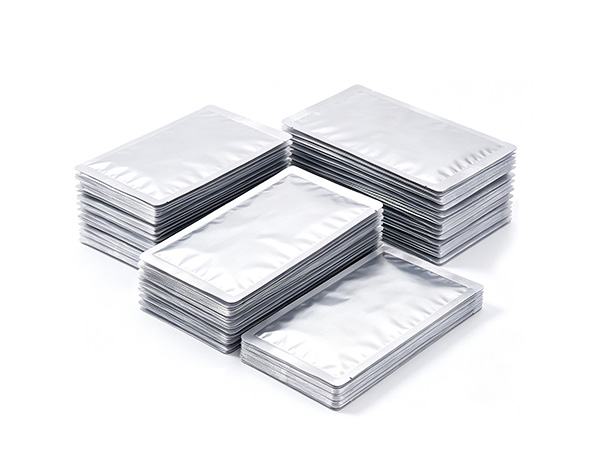
Aluminum Foil Barrier Properties
Aluminum foil provides exceptional barrier performance unmatched by any plastic film alternative. Even thin foil gauges of seven microns create complete oxygen and moisture barriers when intact. This performance derives from the dense metallic structure preventing molecular permeation. Light barrier protects photosensitive ingredients from degradation through ultraviolet exposure. Aroma barrier prevents flavor loss and cross-contamination during storage. Temperature stability allows foil pouches to perform across freezing, ambient, and heated conditions. The combination of barrier properties makes foil essential for products where quality preservation directly impacts consumer satisfaction.
Coffee and Tea Packaging
Coffee roasters represent major users of foil pouch packaging due to the extreme sensitivity of roasted coffee beans. Oxygen exposure rapidly degrades delicate flavor compounds developed during roasting. Moisture absorption affects grind consistency and brewing performance. Light accelerates staling processes consumers readily detect. Foil pouches with one-way degassing valves allow carbon dioxide release while preventing oxygen ingress. Specialty coffee brands leverage foil packaging quality as product differentiation. Tea packaging similarly benefits from foil barrier properties protecting delicate essential oils and flavors. Premium positioning commands pricing justifying foil packaging investment.
Snack Food Applications
Snack manufacturers specify foil pouches for products where texture and flavor preservation directly impact consumer perception. Potato chips require oxygen barrier preventing stale texture development. Nuts contain oils susceptible to rancidity without proper protection. Dried fruit packaging demands moisture barrier preventing texture changes. Jerky and meat snacks require comprehensive barrier preventing spoilage. Premium snack brands increasingly adopt foil packaging as quality signals distinguishing products from economy alternatives. Stand-up foil pouches combine barrier performance with attractive shelf presentation.
Ready Meal and Convenience Foods
Retort pouch technology enables shelf-stable ready meals without refrigeration requirements. Foil lamination withstands high-temperature sterilization processes killing pathogens. These pouches provide lighter weight alternatives to metal cans for military and emergency applications. Boil-in-bag products utilize foil pouches rated for direct heating applications. Freeze-dried meal packaging for outdoor recreation demands maximum barrier protecting hygroscopic contents. Convenience food manufacturers value foil pouches for extended shelf life enabling broader distribution.
Pet Food Premium Packaging
Premium pet food brands increasingly specify foil pouches positioning products as quality alternatives to conventional packaging. Wet food pouches replace traditional cans offering convenience and portion control advantages. Treat packaging leverages foil barrier preserving flavors attracting pets. Specialty diets for medical conditions require packaging maintaining nutritional integrity. Foil pouches provide resealability options extending usability after initial opening. Pet owners willing to pay premiums for perceived quality create market opportunity for foil packaging investment.
Construction and Layer Options
Foil pouch constructions vary based on application requirements and cost considerations. PET/AL/PE represents a standard construction providing print surface, barrier, and sealant layers. Nylon layers add puncture resistance for products with sharp edges or shapes. Thicker foil gauges provide redundancy against pinhole defects. Metalized alternatives offer partial barrier at reduced cost where maximum protection is unnecessary. Matte and gloss finishing options enhance consumer appeal at retail. Zipper closures add functionality extending pouch usefulness after initial opening. Window features allow product visibility while maintaining barrier at non-window areas.
Food Safety Compliance
Foil pouches for food contact require documented compliance with applicable regulations. FDA requirements in the United States specify allowable materials and migration limits. EU regulations mandate similar compliance demonstration through testing and certification. Supply chain documentation traces all components to approved sources. Manufacturing facilities maintain food safety certifications including BRCGS and FSSC22000. Testing protocols verify barrier performance and seal integrity. Traceability systems enable rapid response if quality issues emerge. Food manufacturers must verify supplier certifications match intended application requirements.
Sourcing Quality Foil Pouches
Selecting foil pouch suppliers requires thorough capability assessment. Manufacturing expertise specifically in foil lamination differs from general flexible packaging capability. Quality certifications demonstrate systematic approaches to food safety and consistency. Technical support assists with construction specification matching application requirements. Production capacity must accommodate volume requirements including seasonal variations. Geographic location affects lead times and freight costs. Sample evaluation verifies actual performance before production commitment. Long-term relationships with capable suppliers yield benefits beyond pricing advantages.
References
Food Packaging Institute. (2024). Barrier Packaging for Sensitive Foods. FPI Technical Reports.
Aluminum Association. (2023). Foil Packaging Applications Guide. AA Publications.
Journal of Food Science and Technology. (2024). Shelf Life Extension Through Barrier Packaging. JFST Research Papers.


