







Coffee Packaging Bag Solutions for Specialty Roasters
Time:2026-07-09 14:45:04 Author:haokaipackagingbag Click:77
Coffee packaging bags face unique challenges protecting roasted beans and grounds through extended distribution and storage periods. Freshly roasted coffee releases carbon dioxide while simultaneously being highly sensitive to oxygen, moisture, light, and aroma loss. These competing requirements demand specialized packaging solutions that balance protection with practical functionality for both roasters and consumers.
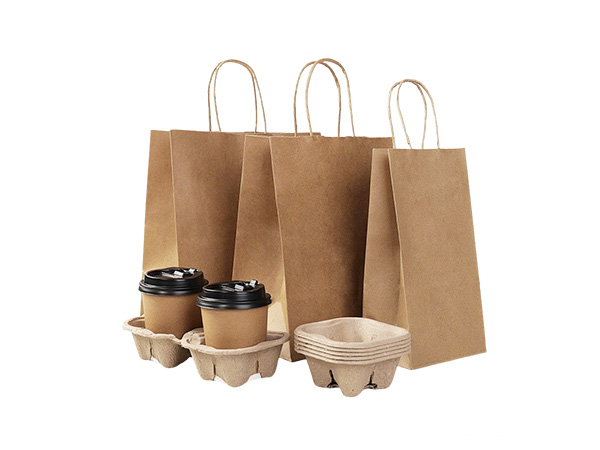
Freshness Protection Requirements
Roasted coffee begins losing freshness immediately after roasting due to oxidation of delicate flavor compounds. Oxygen exposure causes stale flavors that consumers readily detect. Moisture absorption affects bean texture and grind consistency. Light accelerates degradation of flavors and aromas. Aroma loss diminishes sensory experience that defines quality coffee. Temperature fluctuations during distribution challenge packaging performance. Quality specialty coffee demands packaging that addresses all these threats simultaneously. Barrier specifications must derive from intended shelf life and distribution conditions.
One-Way Degassing Valves
Freshly roasted coffee releases carbon dioxide as a natural byproduct of the roasting process. Without pressure relief, this gas accumulation causes package bloating and potential seal failure. One-way degassing valves allow carbon dioxide to escape while preventing oxygen ingress. Valve quality significantly affects packaging performance throughout shelf life. Valve placement affects package appearance and filling efficiency. Different valve designs accommodate various bag constructions and volumes. Valve costs add to packaging economics but prove essential for whole bean products. Ground coffee typically requires less aggressive degassing due to faster gas release during grinding.
Barrier Construction Options
Coffee packaging barrier requirements exceed most food applications. Foil laminations provide maximum oxygen and moisture barrier for extended shelf life products. Metallized films offer excellent barrier at reduced cost compared to solid foil. Clear high-barrier films allow product visibility while maintaining protection. Kraft paper exteriors provide natural aesthetics with barrier film layers. Construction selection balances protection needs, marketing preferences, and cost parameters. Side gusset and flat bottom bag constructions accommodate different filling and display requirements. Quality roasters increasingly specify proven barrier performance rather than defaulting to standard constructions.
Bag Styles for Different Formats
Stand-up pouches provide excellent shelf presence for retail coffee products. Side gusset bags offer traditional format with efficient material usage. Flat bottom boxes create premium appearance commanding higher retail positioning. Valve bags accommodate whole bean products requiring degassing. Quad seal construction provides structural stability for heavier fills. Tin ties enable resealability after opening. Zipper closures offer consumer convenience for products used over extended periods. Bag style selection should align with brand positioning, filling equipment, and retail display requirements.
Private Label and Small Roaster Solutions
Specialty coffee market growth has created demand for packaging solutions serving smaller roasters. Digital printing enables economical short runs previously requiring volume commitments. Stock bag programs provide entry points for emerging brands. Private label services offer design and procurement simplification. Smaller quantities typically command pricing premiums reflecting reduced production efficiency. Sample programs enable quality evaluation before production commitment. Emerging roasters should evaluate packaging suppliers serving similar scale operations with appropriate minimum quantities.
Sustainability Considerations
Coffee industry sustainability commitments increasingly influence packaging specification decisions. Mono-material recyclable alternatives address end-of-life concerns with traditional multi-layer constructions. Compostable options serve brands with strong environmental positioning. Post-consumer recycled content demonstrates circular economy participation. Light weighting initiatives reduce material consumption without compromising protection. Reusable container programs address packaging waste concerns in café channels. Life cycle assessment provides comprehensive environmental impact evaluation. Consumer research indicates willingness to pay premiums for sustainable packaging in specialty coffee segment.
Printing and Brand Communication
Coffee packaging provides significant brand communication opportunity reaching consumers at point of purchase and during consumption. Full-color graphics communicate origin, roast profile, and brand story. Origin stories and tasting notes inform educated consumers seeking specific characteristics. Roast date printing enables freshness verification at point of sale. QR codes link to additional information and brewing guidance. Premium printing quality signals product quality expectations. Design consistency across product lines builds brand recognition. Packaging design investment returns through enhanced brand perception and consumer loyalty.
Supplier Qualification Criteria
Coffee bag supplier selection requires evaluation beyond basic manufacturing capability. Technical expertise in coffee-specific requirements including degassing valve integration proves essential. Quality systems ensure barrier performance consistency critical for shelf life maintenance. Production capacity must accommodate volume requirements including growth projections. Food contact certifications document compliance for direct food contact applications. Lead times affect inventory management and market responsiveness. Sample evaluation verifies actual performance before production commitment. Long-term partnerships with capable suppliers yield consistency advantages beyond pricing benefits.
Cost Optimization Strategies
Coffee packaging costs represent significant portion of product cost structure requiring optimization attention. Volume consolidation across products improves negotiating leverage. Specification standardization enables production efficiency benefits. Annual volume agreements provide pricing stability. Geographic sourcing decisions balance pricing against lead time considerations. Packaging design efficiency affects material consumption and production costs. Total cost analysis should consider protection value alongside direct packaging expense. Quality failures cost far more than packaging specification investment.
References
Specialty Coffee Association. (2024). Packaging Guidelines for Specialty Coffee. SCA Technical Resources.
Coffee Packaging Institute. (2023). Freshness Protection Technology Survey. CPI Industry Reports.
Journal of Food Science. (2024). Coffee Staling Mechanisms and Prevention. JFS Research Publications.


