







Liquid Spout Pouch Design and Applications
Time:2026-07-25 10:28:17 Author:haokaipackagingbag Click:146
Liquid spout pouches have revolutionized beverage and liquid product packaging by combining consumer convenience with material efficiency advantages impossible with traditional rigid containers. The integrated dispensing spout allows controlled pouring while flexible construction adapts to varied storage requirements. Understanding spout pouch design principles enables specification of appropriate solutions for specific liquid products.
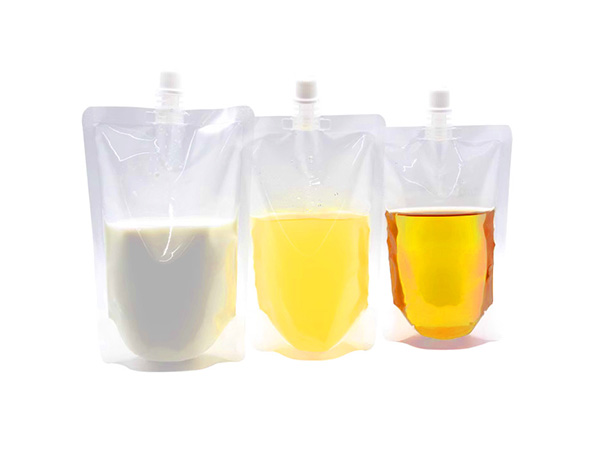
Spout Configuration Options
Spout diameters range from narrow configurations around fifteen millimeters to wide openings exceeding forty millimeters. Narrow spouts suit thin liquids requiring controlled dispensing such as juices and sports drinks. Wider spouts accommodate viscous products including sauces, dressings, and honey. Thread specifications must match cap compatibility for reliable sealing. Cap styles include screw caps, snap closures, and push-pull dispensers. Cap retention features prevent loss during use. Child-resistant closure options address safety requirements for certain products. Spout placement typically centers on top panel though side positions suit specific applications.
Material Construction Requirements
Liquid pouches demand robust construction preventing leakage throughout product life. Inner sealant layers must withstand liquid contact without degradation. Barrier layers protect liquid contents from oxygen and light exposure affecting quality. Outer layers provide print surface and mechanical protection. Puncture resistance matters for products with sharp edges or during distribution handling. Drop testing verifies integrity under real-world conditions. Temperature requirements affect material selection for refrigerated, frozen, or ambient products. Construction specifications must address both protection and functional requirements.
Beverage Industry Applications
Juice manufacturers represent major spout pouch users for children's drinks and convenience products. Sports drink packaging leverages spout convenience for active consumers requiring hydration. Coconut water brands specify spout pouches for natural positioning. Functional beverage markets including energy drinks increasingly adopt pouch formats. Wine in spout pouches addresses convenience trends though regulatory frameworks vary. Alcoholic ready-to-drink cocktails use pouch formats for portability. Beverage applications demand food contact certified materials meeting regulatory requirements.
Food Service and Sauce Applications
Restaurant operations benefit from spout pouch efficiency for sauces and condiments. Portion control pouches reduce waste compared to bulk containers. Kitchen storage convenience improves with flexible pouches adapting to refrigerator space. Bulk sauce packaging for food service operations uses large format spout pouches. Dressing and marinade products specify spout dispensing for consumer convenience. Honey and syrup packaging demands robust seals preventing leakage. Sauces with particulates require wider spouts preventing clogging. Food service applications value operational efficiency alongside product protection.
Non-Food Liquid Products
Household cleaning products increasingly adopt spout pouch formats for consumer convenience. Laundry detergent pouches reduce plastic consumption versus traditional jugs. Dish soap spout pouches address sustainability positioning. Automotive fluid packaging uses spout formats for controlled dispensing. Pool and spa chemicals require chemically resistant materials. Personal care liquids including shampoos and conditioners specify spout convenience. Industrial chemical packaging demands compatibility verification for aggressive contents. Non-food applications may have different regulatory requirements than food contact products.
Barrier and Shelf Life Considerations
Liquid product shelf life requirements drive barrier specification decisions. Oxygen-sensitive beverages require high barrier preventing degradation. Flavor retention demands aroma barrier protecting volatile compounds. Light-sensitive liquids require opaque constructions blocking ultraviolet exposure. Extended shelf life products may require foil barrier for maximum protection. Shorter distribution cycles may tolerate reduced barrier at cost savings. Barrier testing under anticipated conditions validates specification adequacy. Shelf life testing with actual products confirms performance predictions.
Filling Equipment Integration
Spout pouch filling requires equipment compatible with pouch geometry and spout configuration. Pre-made pouch filling machines handle various pouch styles including spouted formats. Rotary filling systems achieve high speeds for established products. Inline systems suit moderate volume requirements. Liquid filling accuracy affects product consistency and cost control. Spout handling during filling requires careful engineering preventing damage. Integration with capping equipment completes production cycle. Filling equipment selection should align with volume projections and product characteristics.
Consumer Experience Factors
Spout pouch usability directly influences consumer satisfaction and repurchase decisions. Easy opening without tools meets consumer expectations. Pouring control prevents messy dispensing. Residual liquid management affects perception of product value. Grip design accommodates various hand sizes and strengths. Visibility of remaining product informs usage planning. Storage convenience influences kitchen organization preferences. Consumer testing validates design decisions before market introduction. Packaging functionality contributes to overall product experience.
Sourcing and Supplier Evaluation
Liquid spout pouch supplier capability requires specific expertise beyond general flexible packaging manufacturing. Spout integration experience affects product reliability. Quality systems must address leak prevention throughout production. Food contact certification documentation supports regulated applications. Technical support assists with specification development. Production capacity requires evaluation against volume requirements. Sample testing verifies performance under anticipated conditions. Geographic location affects lead times and freight costs. Competitive pricing should not compromise quality or service requirements for demanding liquid applications.
References
Liquid Packaging Association. (2024). Spout Pouch Technology Guidelines. LPA Technical Publications.
Beverage Packaging Institute. (2023). Liquid Pouch Design Considerations. BPI Industry Reports.
Packaging Engineering Journal. (2024). Spout Integration Best Practices. PEJ Technical Series.


