







Plastic Film Packaging Solutions for Modern Industry
Time:2026-07-28 11:27:46 Author:haokaipackagingbag Click:58
Plastic film packaging has transformed how products reach consumers, offering protection, convenience, and branding opportunities that rigid containers cannot match. The flexibility of film-based packaging allows manufacturers to create custom shapes while using significantly less material than traditional alternatives. This adaptability has made film packaging the dominant choice across food processing, pharmaceutical manufacturing, and consumer goods industries worldwide.
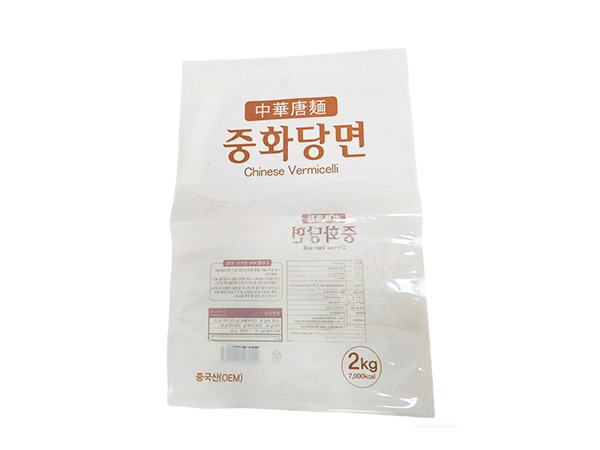
Types of Plastic Film Available
Polyethylene film dominates the flexible packaging landscape due to its versatility and cost-effectiveness. Low-density polyethylene offers excellent clarity and flexibility, making it suitable for bread bags and produce packaging. Linear low-density polyethylene provides enhanced puncture resistance for heavier products. High-density polyethylene delivers stiffness and moisture barrier properties ideal for cereal liners and dry product packaging. Polypropylene films offer higher temperature resistance and excellent gloss for retail presentations. Manufacturers select film types based on product requirements, distribution conditions, and cost parameters.
Food Industry Applications
Food manufacturers rely heavily on plastic film packaging to maintain freshness and extend shelf life. Bakery products benefit from films that allow moisture management while providing visual appeal. Fresh produce packaging requires careful balance between protection and breathability to prevent spoilage. Meat and poultry processors use specialized barrier films that prevent oxidation and bacterial growth. Snack food manufacturers specify films with oxygen barrier properties to maintain crispness throughout distribution. Dairy packaging demands films that withstand refrigeration temperatures while providing seal integrity. Each food category presents unique requirements driving film specification decisions.
Pharmaceutical and Medical Uses
Medical device packaging demands films that maintain sterility while withstanding various sterilization methods. Tyvek and film combinations provide breathability for ethylene oxide sterilization processes. Foil-film laminates create hermetic barriers for moisture-sensitive medications. Blister packaging films protect individual doses while allowing easy patient access. Hospital supply packaging must survive rigorous handling while maintaining product integrity. Regulatory requirements mandate documented film certification and traceability throughout the supply chain. Manufacturers serving pharmaceutical markets maintain specialized quality systems meeting these exacting standards.
Industrial and Commercial Packaging
Industrial applications require films engineered for specific performance characteristics beyond basic containment. Chemical packaging films resist interaction with aggressive contents. Building material packaging withstands outdoor storage during construction phases. Hardware and fastener packaging provides corrosion protection during distribution. Agricultural films serve mulching, greenhouse, and silage applications requiring UV stability. Heavy-duty films protect machinery and equipment during shipping and storage. Industrial buyers typically prioritize performance characteristics over appearance, though retail hardware packaging increasingly demands consumer-friendly presentation.
Customization Options
Modern film production supports extensive customization meeting specific customer requirements. Gauge adjustment allows optimization between material cost and performance requirements. Width customization matches converting equipment specifications without waste. Slip and antiblock additives adjust film handling characteristics for high-speed packaging lines. Antistatic treatments prevent static buildup affecting sensitive products. UV inhibitors extend outdoor service life for agricultural and construction applications. Color addition supports brand identification and light protection requirements. Printed films transform packaging into marketing vehicles reaching consumers at point of purchase.
Quality Specifications
Film specifications typically include thickness measured in gauge or microns, with tolerances ensuring consistent performance. Tensile strength measurements indicate film durability under stress conditions. Elongation properties affect film behavior during filling and handling operations. Haze and gloss measurements quantify optical properties important for consumer-facing applications. Coefficient of friction values predict film performance on packaging machinery. Seal strength specifications ensure package integrity throughout distribution. Barrier properties for oxygen and moisture define product protection capabilities. Reputable suppliers provide test certifications verifying specification compliance.
Sourcing Considerations
Selecting film suppliers requires evaluation beyond pricing considerations. Production capacity must match anticipated volume requirements including growth projections. Quality certifications demonstrate systematic approaches to consistency and compliance. Technical support capabilities assist with specification development and problem resolution. Geographic location affects lead times and freight costs significantly. Minimum order quantities determine accessibility for smaller requirements. Sample programs enable performance verification before production commitment. Building relationships with multiple suppliers provides supply chain resilience.
Environmental Considerations
Sustainability pressures drive ongoing innovation in plastic film packaging. Light weighting initiatives reduce material consumption while maintaining performance specifications. Recycled content incorporation demonstrates environmental commitment when technically feasible. Biodegradable and compostable film options address specific market segments demanding these features. Design for recyclability considerations increasingly influence material selection. Life cycle assessments provide data-driven evaluation of environmental impacts. Industry initiatives develop collection and recycling infrastructure for flexible packaging streams.
References
Plastic Film Manufacturers Association. (2024). Flexible Film Technology Handbook. PFMA Technical Publications.
Journal of Applied Packaging Research. (2023). Advances in Barrier Film Development. JAPR Quarterly.
Society of Plastics Engineers. (2024). Film Extrusion Processing Guide. SPE Educational Series.
MORE


